
Sam Bhagwat
Co-Founder, Gastsby & Principle
Co-Founder, Gastsby & Principle
 Mar 18, 2021
  Comosable Commerce Comosable Architecture E-Commerce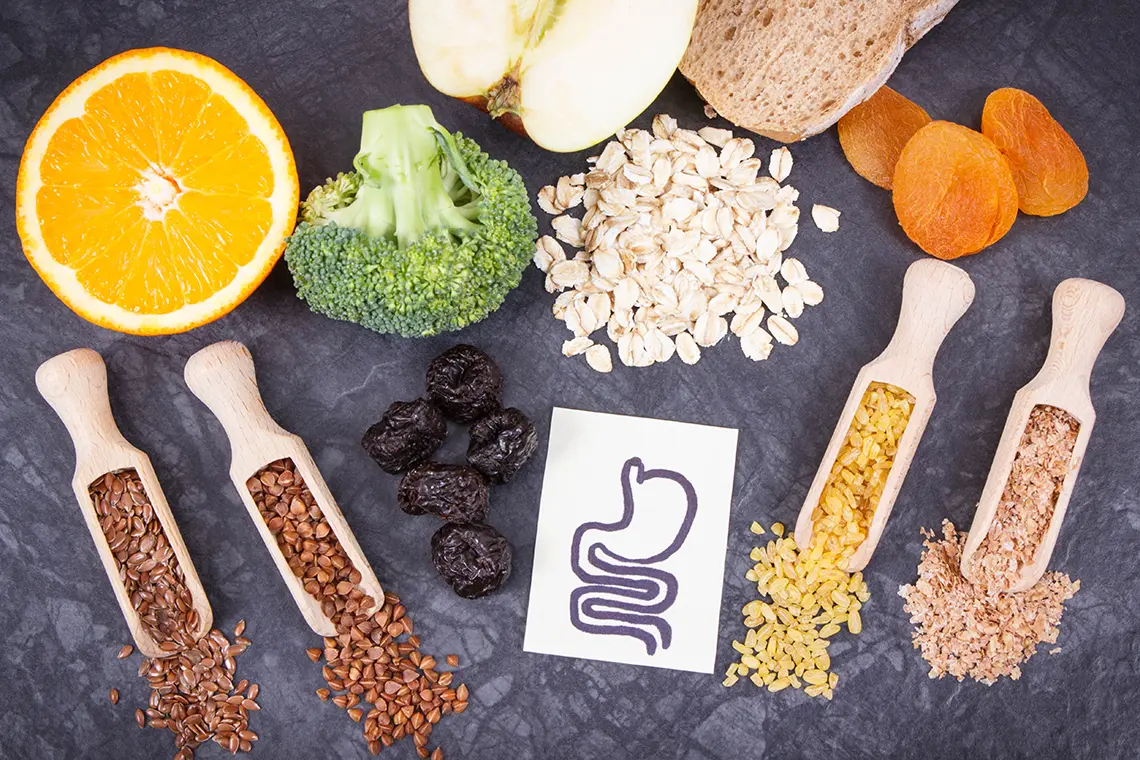
When it comes to weight loss and overall gut health, dietary fiber has emerged as a key player in recent scientific research. This plant-derived nutrient has been linked to a variety of health benefits, from reducing the risk of heart disease to regulating blood sugar levels.
Yet, its relationship with weight management and the gut microbiota is especially intriguing. Here, we delve into the role of fiber in weight loss and the health of the gut microbiota.
Dietary fiber refers to the indigestible parts of plant foods that pass through the digestive system largely unprocessed. They are typically classified into two main categories:
Several studies have drawn a link between fiber consumption and weight loss. Here's how fiber might contribute to shedding those extra pounds:
The gut microbiota comprises trillions of bacteria and other microorganisms that reside in our intestines. These microbes play a crucial role in our overall health, including metabolism, immunity, and even brain function. Dietary fiber has a direct impact on the health and diversity of these gut communities.
While it's evident that dietary fiber plays a pivotal role in weight loss and maintaining a healthy gut microbiota, it's essential to approach it as one component of a balanced diet. Incorporating a variety of fiber-rich foods ensures that the body and the gut microbiota get the range of fibers they need for optimal health.
Furthermore, those considering significant dietary changes, especially individuals with digestive disorders, should consult with a healthcare professional. In the quest for better health and weight management, dietary fiber stands out as a simple, yet profoundly effective ally.