
Sam Bhagwat
Co-Founder, Gastsby & Principle
Co-Founder, Gastsby & Principle
 Mar 18, 2021
  Comosable Commerce Comosable Architecture E-Commerce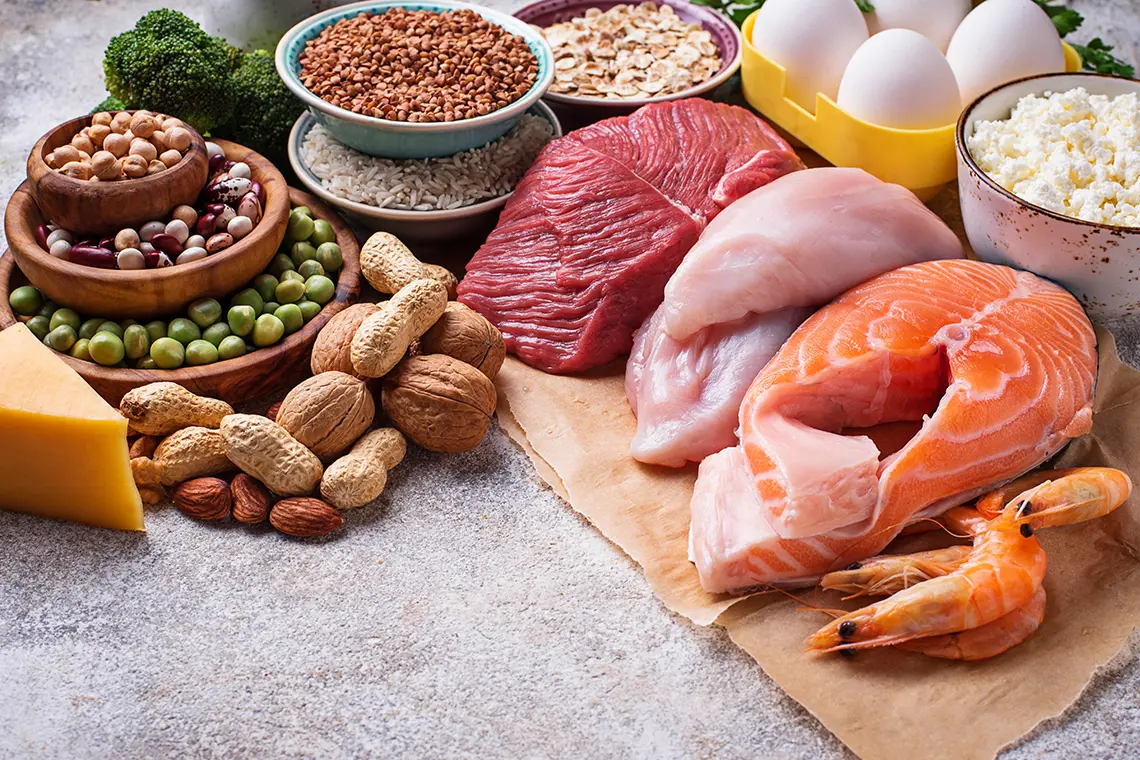
Protein is one of the three macronutrients essential for human health, playing a vital role in repairing and building tissues, producing enzymes and hormones, and supporting overall bodily functions. The amount of protein one needs varies based on age, gender, body weight, and activity level.
Generally, protein needs are often based on body weight. Here are the common guidelines:
For instance, a sedentary woman weighing 68 kilograms (150 pounds) would require approximately 54.4 grams of protein per day (68 kg x 0.8 g/kg).
Sedentary: People who live a sedentary lifestyle generally require the standard recommended daily amount, which is 0.8 grams of protein per kilogram of body weight.
Mildly Active: Those who engage in light activities, like walking or household chores, should aim for approximately 10% more than the sedentary recommendation.
Moderately Active: Engaging in exercises like jogging, cycling, or light gym routines at least three times a week, requires about 1.0 to 1.2 grams of protein per kilogram of body weight.
Very Active: Athletes or those in intensive training regimes, including bodybuilders, need the highest protein intake, ranging between 1.2 to 2.0 grams of protein per kilogram of body weight, or even more in some specific cases.
Older Adults: Older adults, particularly those at risk of sarcopenia (muscle wasting with age), may benefit from higher protein intakes, around 1.0 to 1.2 grams per kilogram of body weight.
Biological Value (BV) of Common Protein Sources The Biological Value (BV) is a measure of a protein's quality, indicating how efficiently it's used by the body. Higher BV denotes a more effective absorption and utilization.
Here's a list of common protein sources with their BV:
It's essential to remember that while BV is an important factor, it's also crucial to incorporate a variety of protein sources for a balanced amino acid profile.
Determining your protein needs is essential for optimal health and performance. It's always a good idea to evaluate your lifestyle and activity level and adjust your protein intake accordingly. For those with specific conditions or needs, consulting with a nutritionist or dietitian can provide a tailored approach. Remember, balance is key, and incorporating a mix of high-BV protein sources will ensure your body gets the best out of the protein you consume.