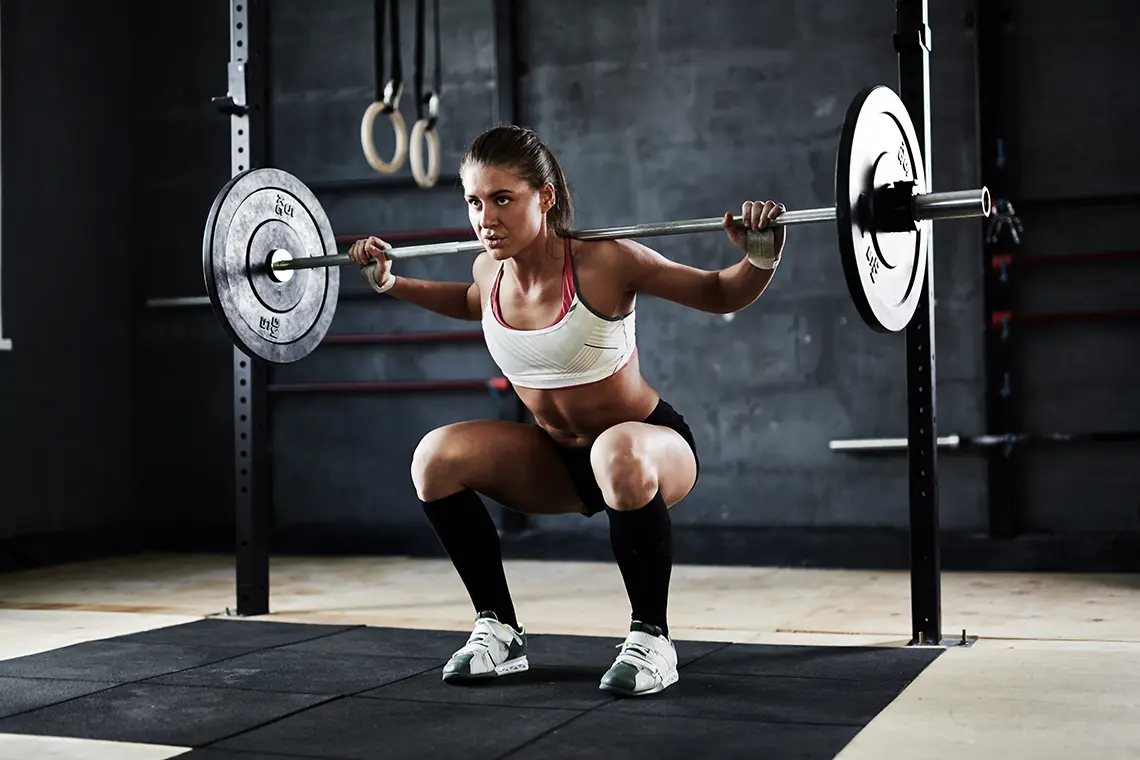
The Squat is a difficult exercise to master. It takes a lot of training.
- Poor Foot Position: Feet too close together, too far apart, or turned out excessively.
- Knees Caving In: Also known as "knee valgus," this can lead to undue stress on the ligaments of the knee.
- Lack of Depth: Not reaching parallel or below when squatting, thus not fully activating all the leg muscles.
- Lifting the Heels: This can indicate a lack of ankle mobility or an improper weight distribution.
- Excessive Forward Lean: The torso leans too far forward, placing undue stress on the lower back.
- Bar Path Not Vertical: The bar should move in a straight line up and down. If it doesn't, it might indicate a form issue or imbalance.
- Rounding the Back: This can lead to serious back injuries, especially in the lumbar region.
- Not Engaging the Core: Failing to keep the core tight can result in instability and a lack of power during the lift.
- Elbow Positioning: Elbows that flare out too much or are positioned too far back can lead to an unstable bar position or unnecessary stress on the shoulders.
- Proper Foot Position: Place feet shoulder-width apart with toes slightly pointed out. The exact angle might vary based on individual anatomy.
- Activate Your Glutes: Push knees outwards, especially during the ascent of the squat. This can help prevent them from caving in.
- Achieve Full Depth: Aim for at least parallel depth or deeper, if mobility allows. This ensures maximum muscle activation.
- Weight on Heels and Mid-foot: Focus on keeping the weight on the heels and mid-foot, not the toes. Ankle stretches can help improve mobility here.
- Upright Torso: Strengthen the upper back and focus on keeping the chest up to maintain an upright position.
- Straight Bar Path: Ensure that the bar moves in a straight line by engaging the core, keeping the chest up, and maintaining a balanced foot position.
- Neutral Spine: Maintain a natural curve in the spine, engaging the core throughout the movement.
- Engage the Core: Tighten the core as if preparing for a punch. This creates stability and protects the spine.
- Optimal Elbow Position: Keep the elbows pointing downwards and slightly back, positioning them in a way that provides the best support for the bar without straining the shoulders.
Lastly, it's worth noting that personal anatomy can play a big role in the specifics of optimal squat form. Factors like limb length, hip socket depth, and ankle mobility can affect the appearance of one's squat. Always prioritize comfort and safety over trying to fit a specific "mold". Consider working with a qualified personal trainer or strength coach to get personalized form checks and advice.

 Mar 18, 2021
  Comosable Commerce